Cost of Living in Bellingham, WA: What It Really Costs to Live Here
Housing by neighborhood and town, taxes, utilities, heating, getting around, and what's cheaper and pricier than Seattle or California — with October 2026 list prices from the NWMLS feed.
Housing is the whole story
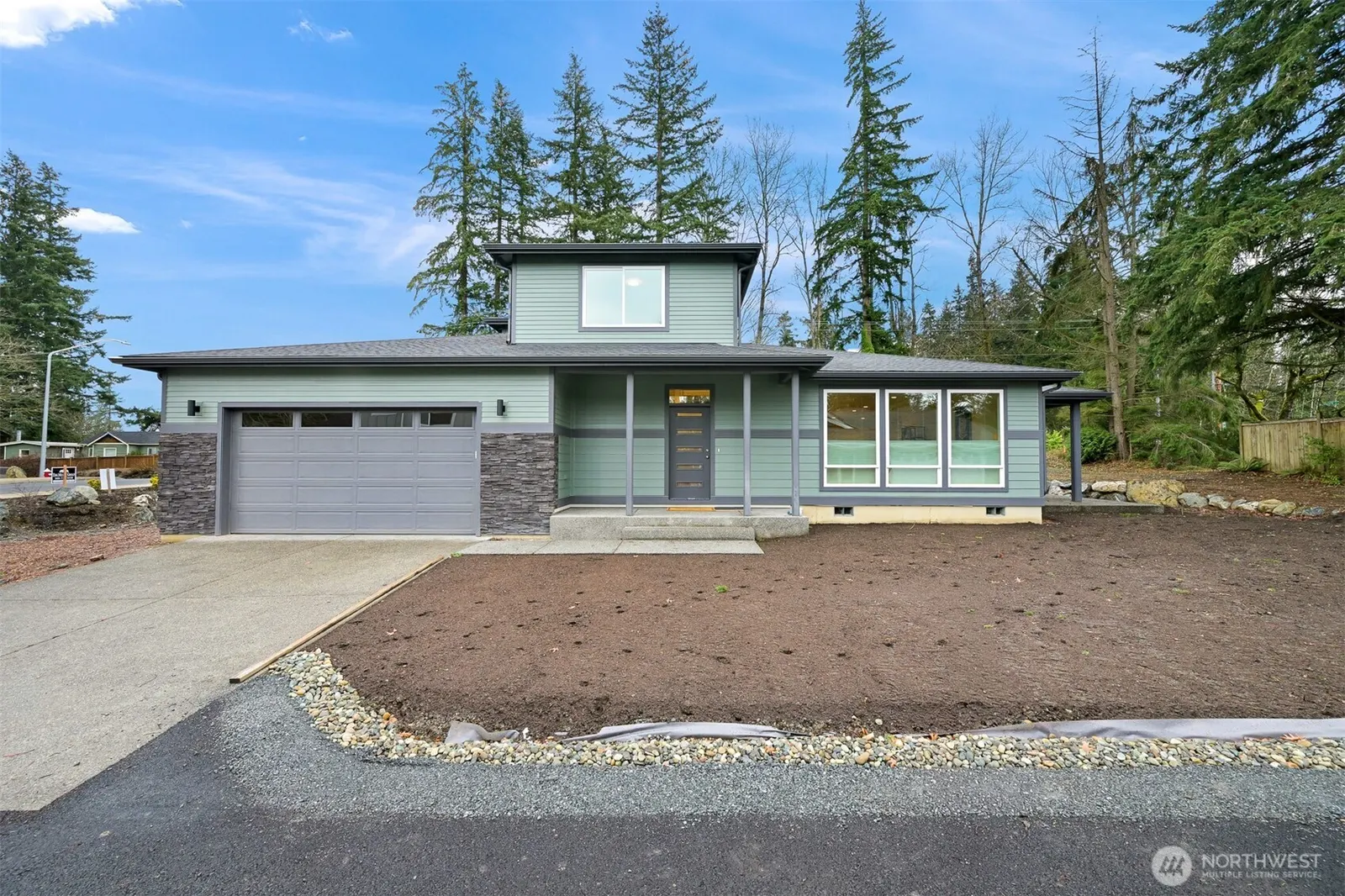
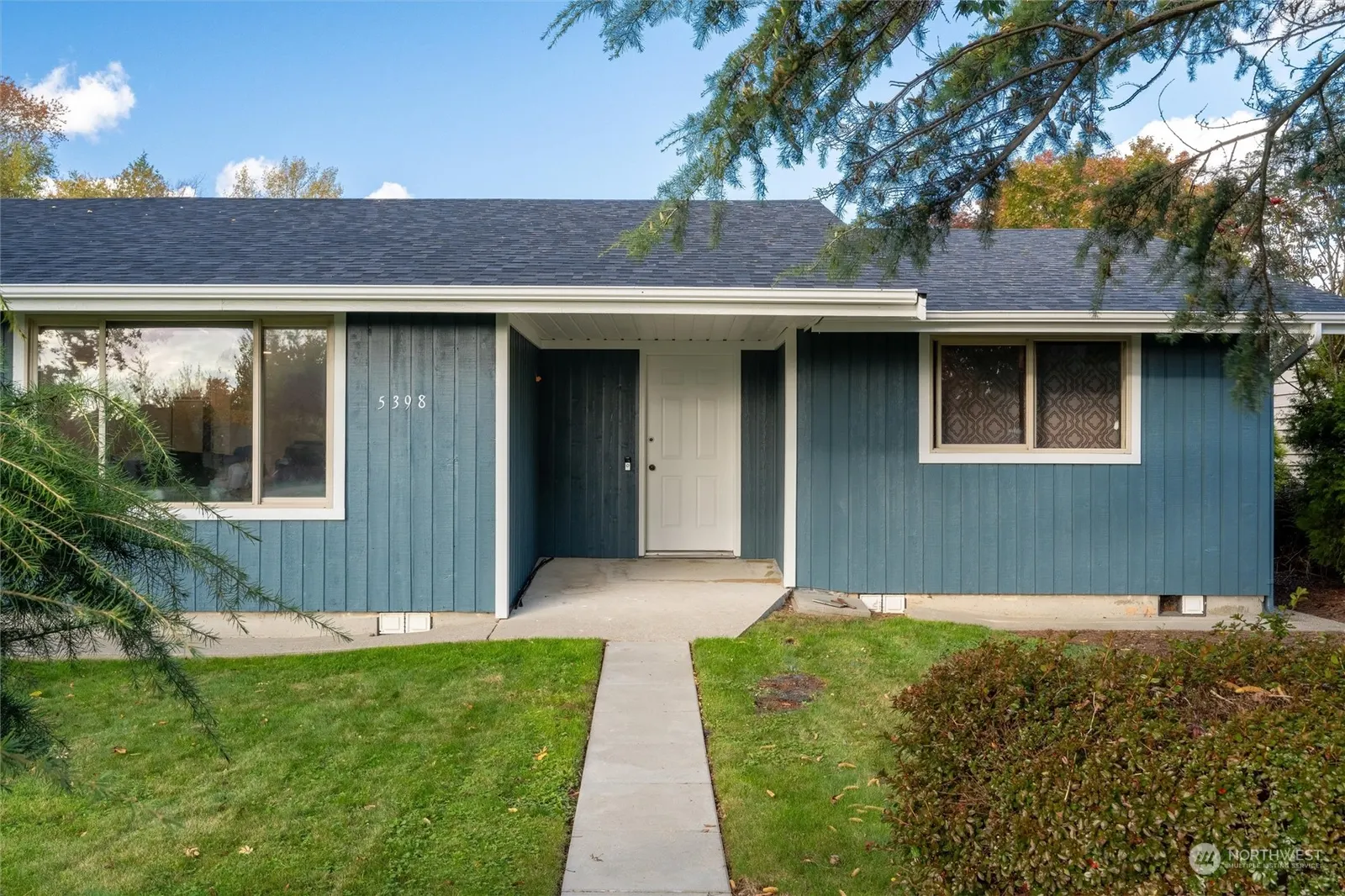
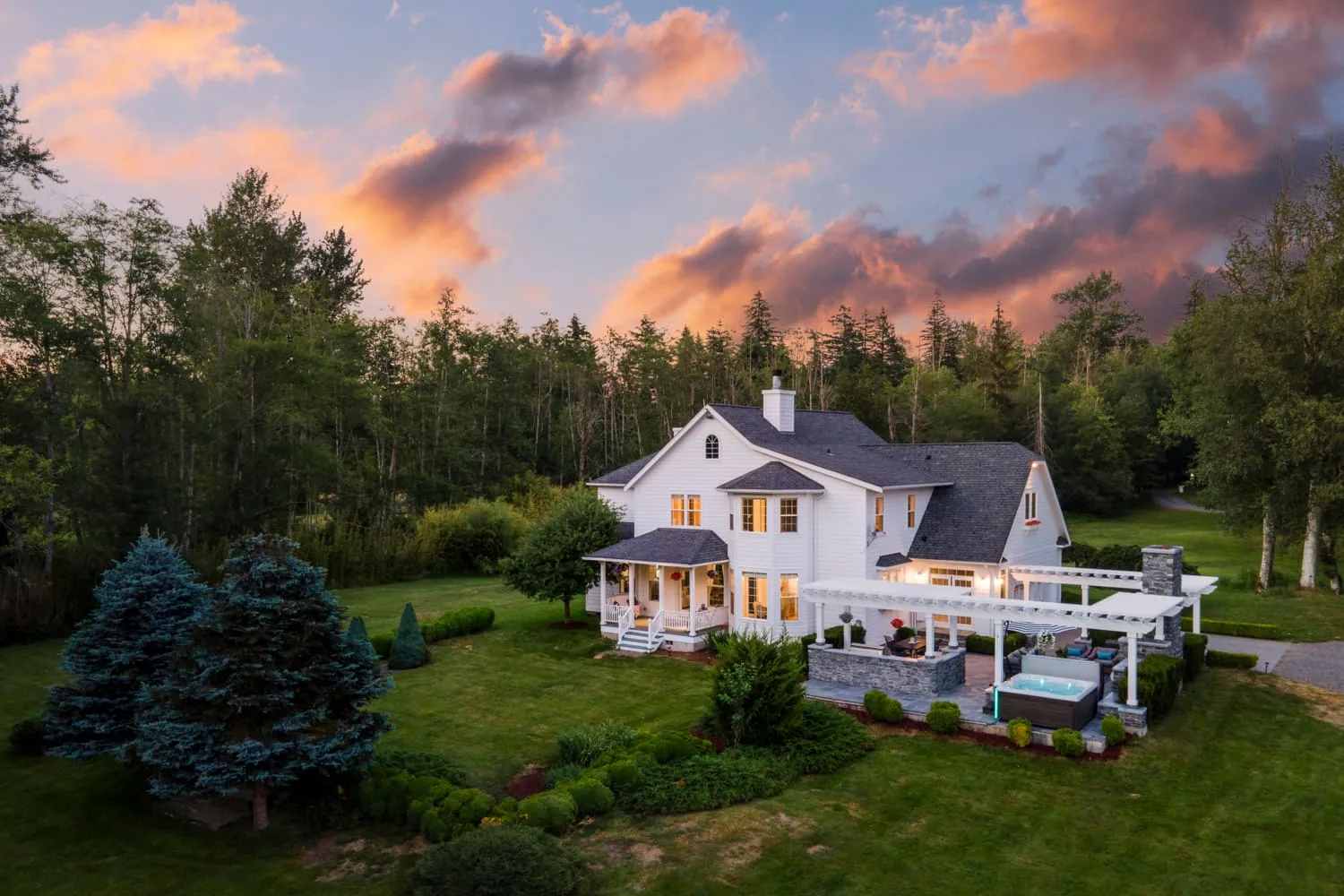
Housing is the line that decides whether Bellingham is affordable for you. In October 2026 the median asking price of homes listed on the NWMLS was $625k in Bellingham, $650k in Ferndale, $665k in Lynden, $614k in Blaine and $560k in Birch Bay. Across the county line, Mount Vernon's median was $640k, Sedro-Woolley's $575k and Anacortes's $885k. Those are asking prices, not sale prices, and they move monthly — the market page tracks them.
Within Bellingham, the spread is wide: condos and townhomes in Cordata and downtown start well under the city median, while South Hill, Edgemoor and the Lake Whatcom shore run far above it. The neighborhoods guide walks through each.
Taxes
Washington has no state income tax, which is the single biggest cost difference for anyone arriving from California or Oregon with a portable income. The trade-off is sales tax — Bellingham's combined state and local rate is in the high-eight to nine percent range — and property tax, which runs roughly 0.9–1.0% of assessed value in Bellingham and Whatcom County. On a $650,000 home that's about $6,000–6,500 a year, typically paid through your mortgage escrow.
Utilities and heating
Electricity comes from Puget Sound Energy, natural gas from Cascade Natural Gas where the lines run, and water, sewer and stormwater from the City of Bellingham on a bimonthly bill. Expect the heating line to depend on the house more than the utility: 1920s Columbia bungalows and 1970s ranchers on baseboard electric or oil cost noticeably more to heat than a 2010s Cordata home or anything with a heat pump. A heat-pump retrofit on an older home typically runs $12–20k and pays back in comfort before it pays back in dollars; the energy-upgrades post covers rebates.
Getting around
Most households drive, and Washington's fuel prices are among the highest in the country. Bellingham is compact enough that many people bike or ride WTA buses to work and campus, and the Interurban and Bay-to-Baker trails connect neighborhoods. Bellingham International Airport has limited direct flights, so many travelers drive 90 minutes to SeaTac or cross to Vancouver; Amtrak Cascades stops in Fairhaven.
Groceries, dining and everyday costs
Everyday costs run close to the Puget Sound norm — somewhat above the national average, below Seattle. The Community Food Co-op, Haggen and the big chains cover groceries; Trader Joe's and Costco are in north Bellingham. The Canadian border is 25 minutes away, and cross-border shopping cuts both directions depending on the exchange rate.
Health care, child care and schools
PeaceHealth St. Joseph is the only hospital in Whatcom County, with clinics spread across the city. Child care is tight and waitlisted, as in most of Washington — start early. Bellingham Public Schools serve the city; the county's smaller districts (Ferndale, Lynden, Meridian, Mount Baker, Blaine, Nooksack Valley) each have their own character, and the city pages list which schools serve which neighborhoods.
Compared to Seattle and California
Housing is the big win: comparable neighborhoods run roughly 35–45% less per square foot than Seattle, and far less than coastal California. Taxes are a wash or better for most relocators. What costs more than people expect: heating an older home, flights, and the first winter of rain gear. What costs less: parking, commuting, and the general pace.
Run your own numbers
Use the mortgage calculator with Whatcom County taxes and insurance built in, then compare two or three towns on the market page. Irena works with relocating buyers every month and will tell you plainly which neighborhoods fit your budget — and which ones only look like they do.